Exercise Science in Action: Women's Health and Undergraduate Research
From investigating nutrition claims on social media to conducting hands-on research in the lab, exercise science at the College of Charleston extends far beyond the classroom.
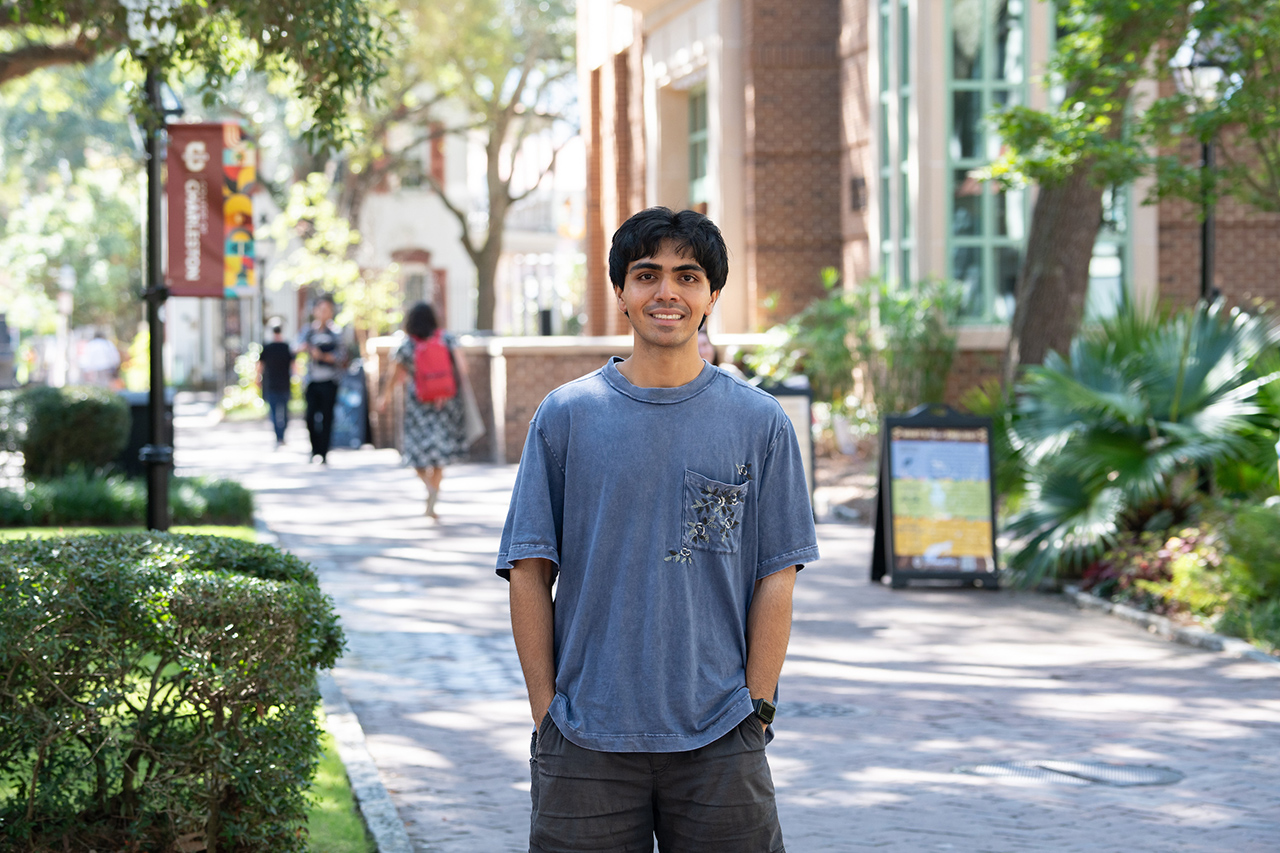
In this episode of the Speaking of … College of Charleston podcast, Paul Baker, assistant professor of exercise science, discusses women’s health and the value of hands-on undergraduate research. Joining the conversation is Kellyn Parod, a junior exercise science major and Spanish minor, who shares how working alongside Baker has helped shape her academic interests and future career goals.
Baker, director of the College’s ASCEND Lab, shares how his interest in women’s health began while working on a clinical trial during his doctoral studies at Florida State University. His research explores questions related to metabolism, exercise and women’s health during perimenopause and menopause, with an emphasis on research that can have practical applications in people’s lives.
“Women make up 50% of the population, and, from a problem-solving perspective, it’s really interesting because a lot of researchers say the menstrual cycle is too complicated, so let’s just stay away from it,” says Baker. “But as researchers, it’s our job to answer difficult questions.”
That same willingness to question assumptions shapes Baker’s teaching. In his exercise nutrition course, students investigate the health and nutrition claims they encounter online, examining common myths and communicating their findings through social media videos, Instagram carousels and conversations with Baker. The goal is to follow the evidence even when it challenges their assumptions.
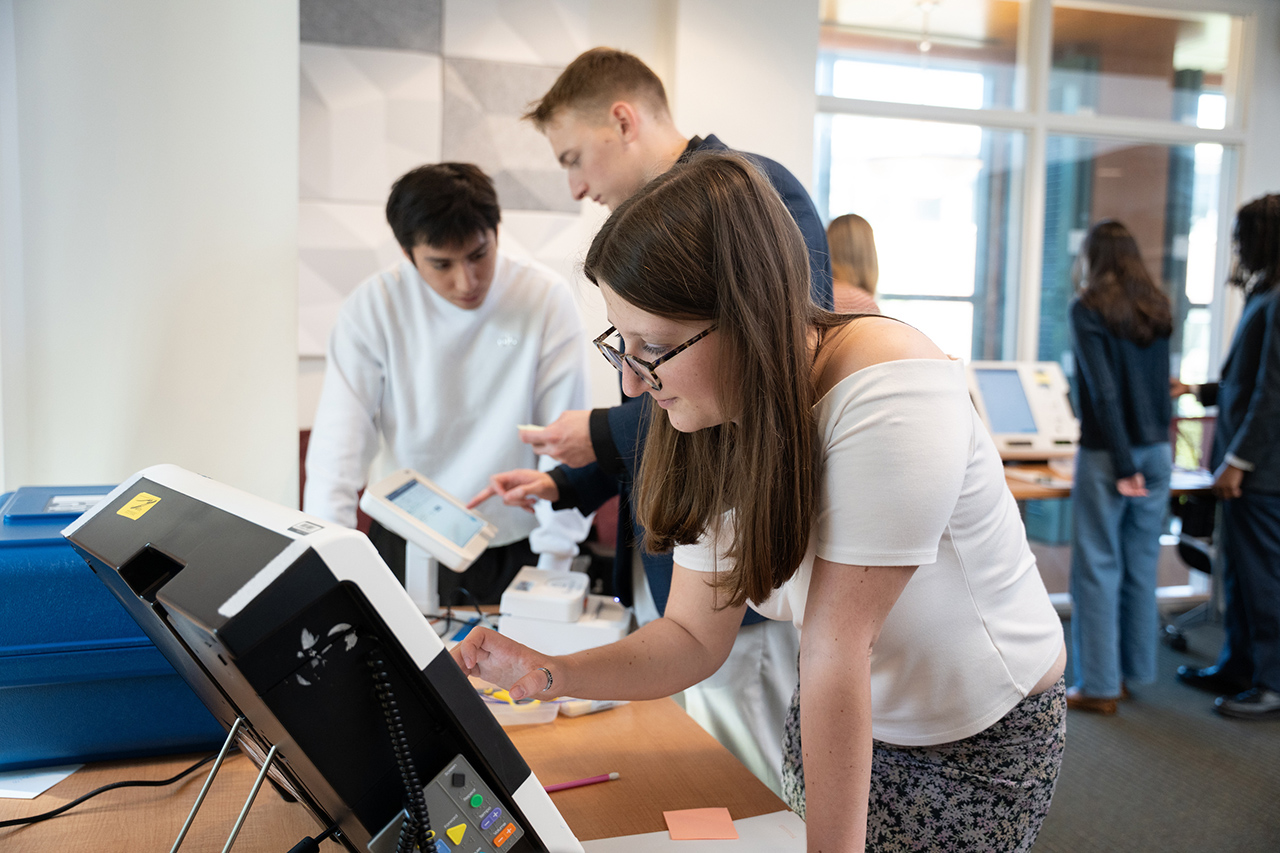
As a student researcher in the lab Parod is gaining her experience while helping develop studies from the ground up, including tools for data collection and participant eligibility.
“Research has helped me find out ways that I can take my passion for women’s health and combine it with my exercise science degree,” says Parod.
For students curious about research, her advice is to start making connections with faculty early, ask about the projects they’re working on and look for research opportunities that align with their own interests.
In this Episode
- How students learn to identify and investigate health and nutrition misinformation and myths
- What drew Paul Baker to research on perimenopause, menopause and women’s health
- How the ASCEND Lab is exploring altitude and low-oxygen exposure
- How research experiences can introduce students to new career possibilities
- Advice for college students interested in working with faculty on research
Learn more about Paul Baker and his research
- Paul Baker’s College of Charleston faculty profile
- An Overnight, 8-Hour Low Oxygen Exposure Increases Energy Expenditure with No Effect on Energy Intake: A Randomized, Sham-Controlled, Crossover Study
- Physiological alterations around the menopause transition—A 2-year follow-up in PRE, PERI, and POST menopause females
- Menstrual cycle influences skeletal muscle oxygenation during high-intensity interval training: a work to rest evaluation