Portfolio Project: How Abstract Art Shapes Home Design
Soren Jones' undergraduate research, funded through a SURF grant, looks at how abstract art can inspire home design.
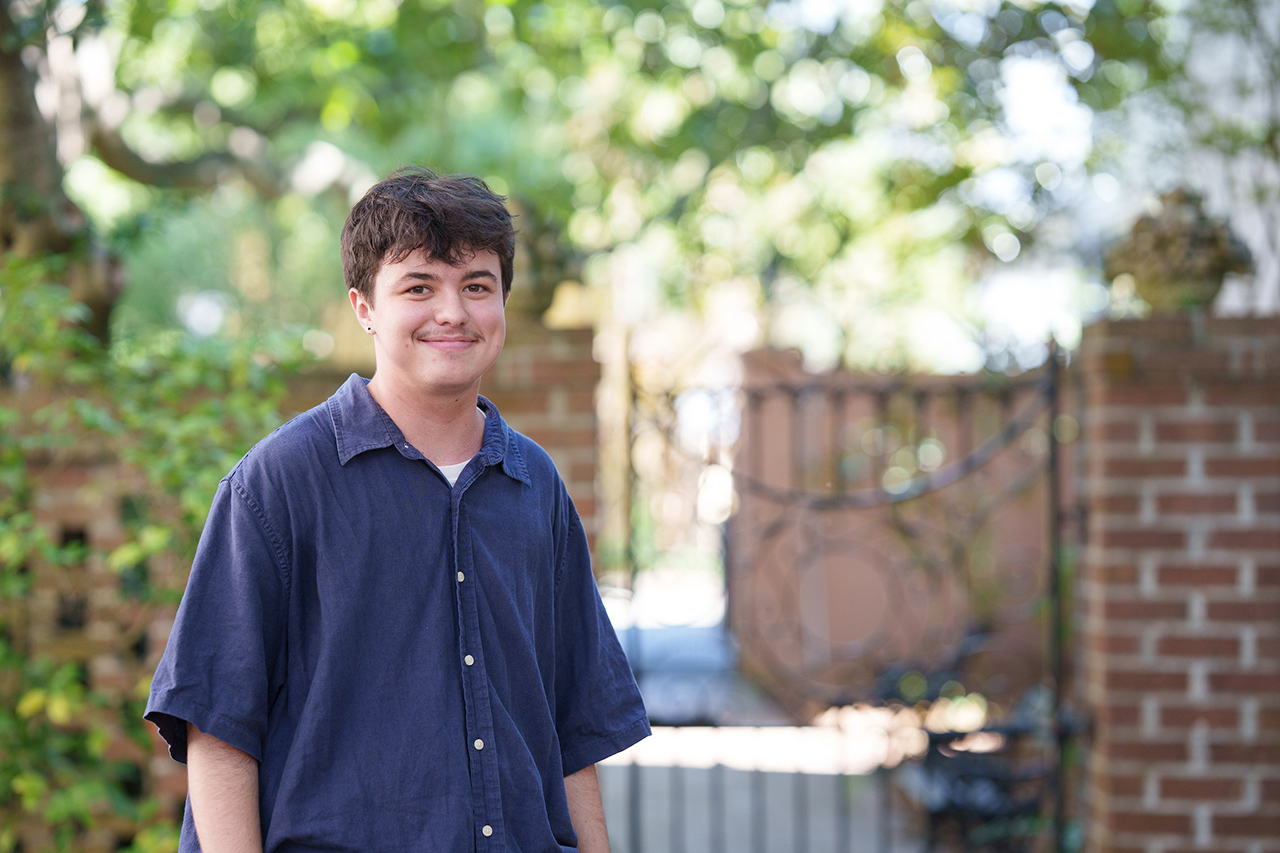
Growing up on James Island surrounded by historic architecture, Honors College student Soren Jones spent much of his free time drawing.
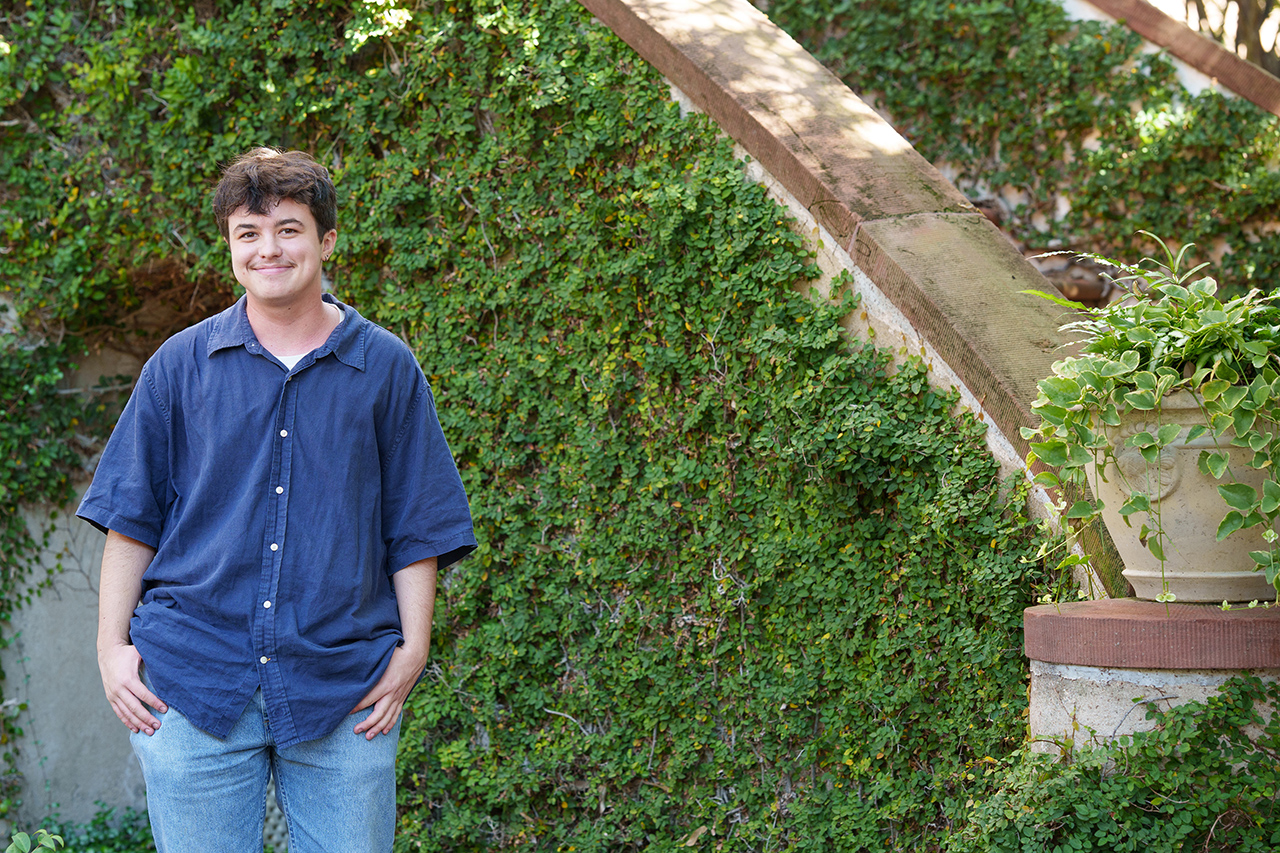
“I’ve always loved art and have been drawing since I was 2 years old,” says Jones. “I was drawn to architecture because I wanted to incorporate art into my career in addition to my other academic passions, math and science.”
As a double-major in historic preservation and community planning and studio art, Jones spent the summer investigating the connections between art and architecture through a Summer Undergraduate Research with Faculty (SURF) grant project.
Working with Salvatore Dellaria, visiting assistant professor in the Department of Art and Architectural History, Jones examined how abstract art has influenced modern architecture and applied those ideas to the design of a single-family home.
His project, “Architectural Fabrication Through Form and Design Precedent,” researched how shapes, patterns and ideas from abstract art could inspire a new approach to residential design. His design reimagined a traditional home by arranging living spaces across multiple levels while maintaining functionality for everyday life.
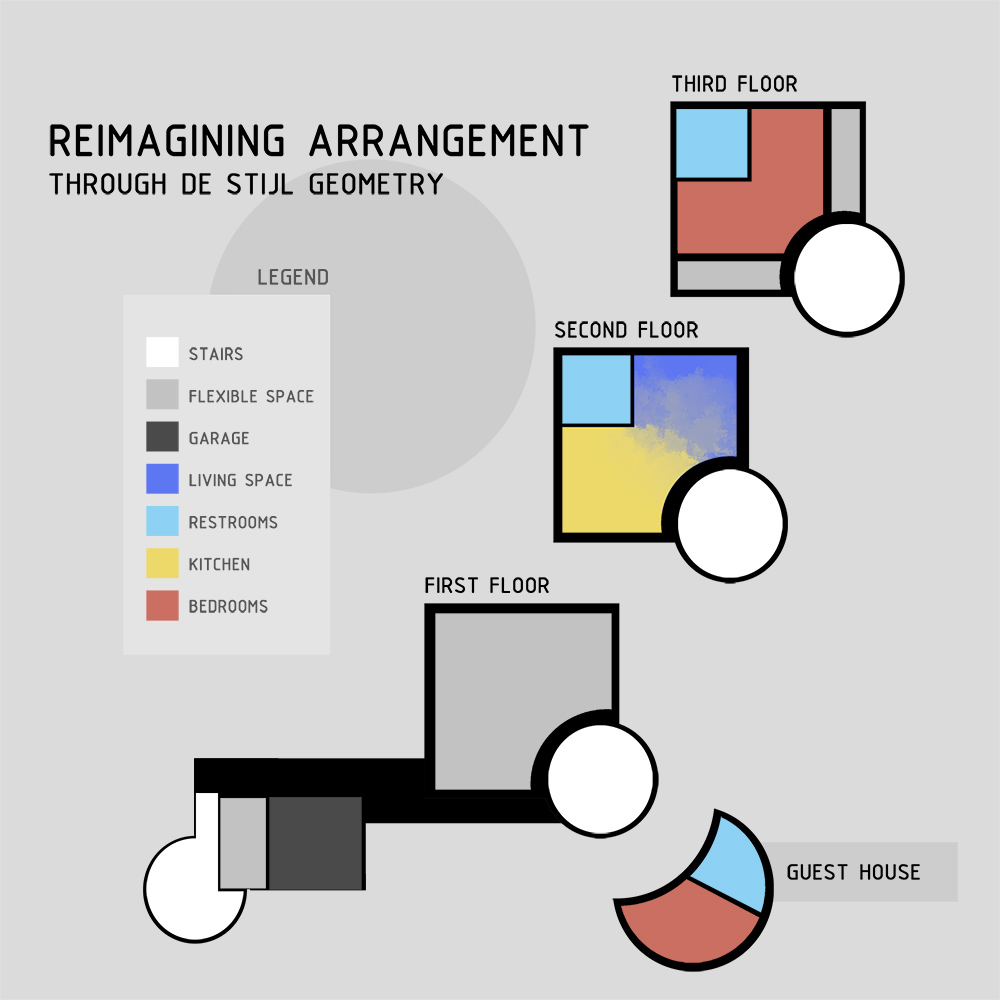

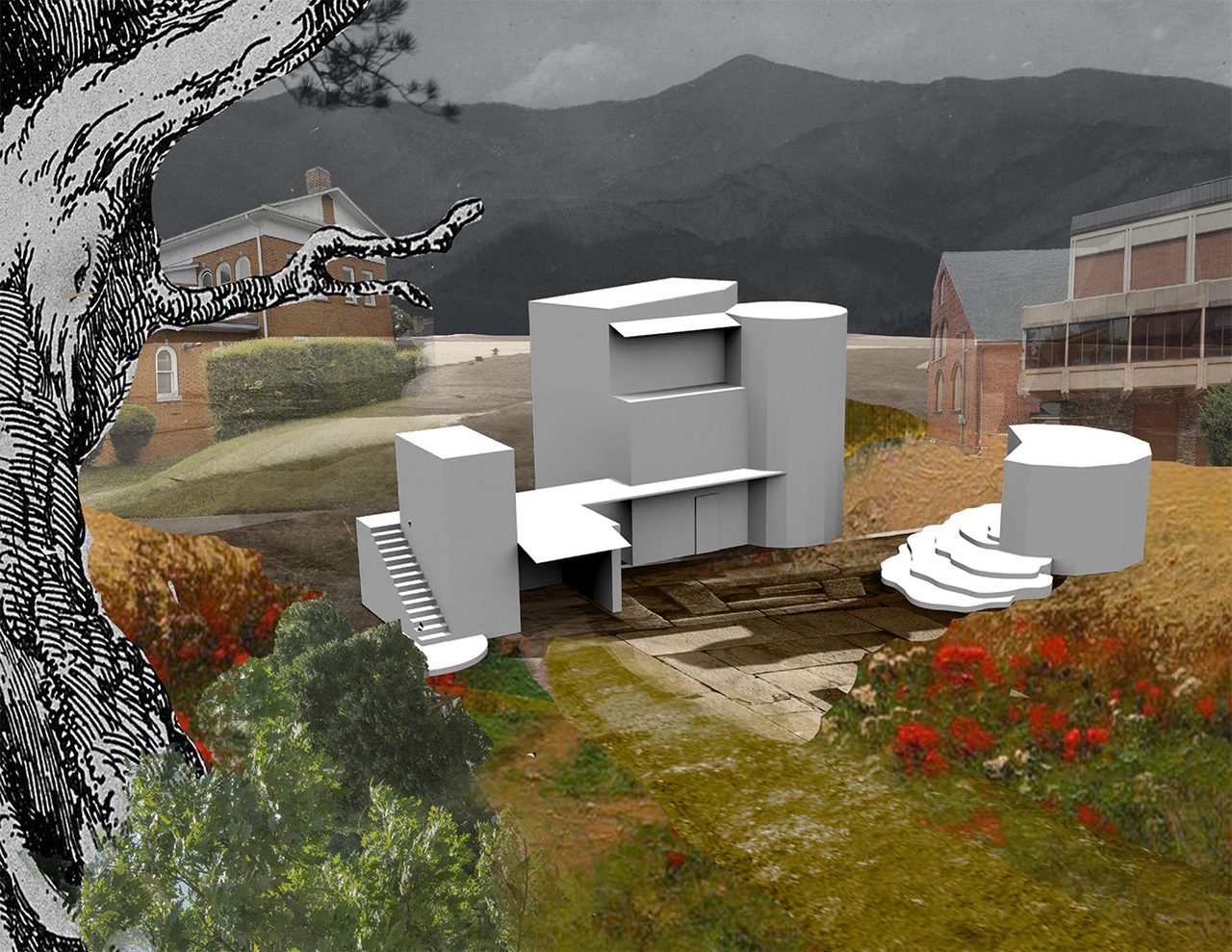
He began with sketches before translating his ideas into digital models that helped him visualize how people would move through and use the space. He also looked into the design through sculpture and illustration.
Beyond the home’s appearance, Jones considered the environmental impact of modern construction. He explored whether brick and wood could be used to create modern architectural designs typically built with steel and concrete.
Project Impact
Dellaria helped Jones connect his design choices to the history of modern architecture. With his guidance, Jones learned to explain the research behind his proposal and understand how his work fits within the field.
“Experiences like SURF give students the time and independence to pursue a question in depth, which can be difficult to achieve in a traditional course,” says Dellaria. “For Soren, that meant not only a focused examination of art ideas, but an invaluable opportunity to apply them in an original way. The outcome was a substantial portfolio piece that will support his applications to graduate programs in architecture.”
The project reinforced Jones’ goal of becoming an architect and showed him how he can combine his interests in art, design and sustainability. After graduating in 2027, he plans to pursue a master’s degree in architecture and continue building the portfolio he created through this research.