CofC Ed.D. Program Shapes First Cohort Into Leaders, Luminaries
The first cohort of the College of Charleston Ed.D. in Learning and Inquiry in Practice program is now in their second year. Find out how the program is changing their lives – and the lives of learners around them.
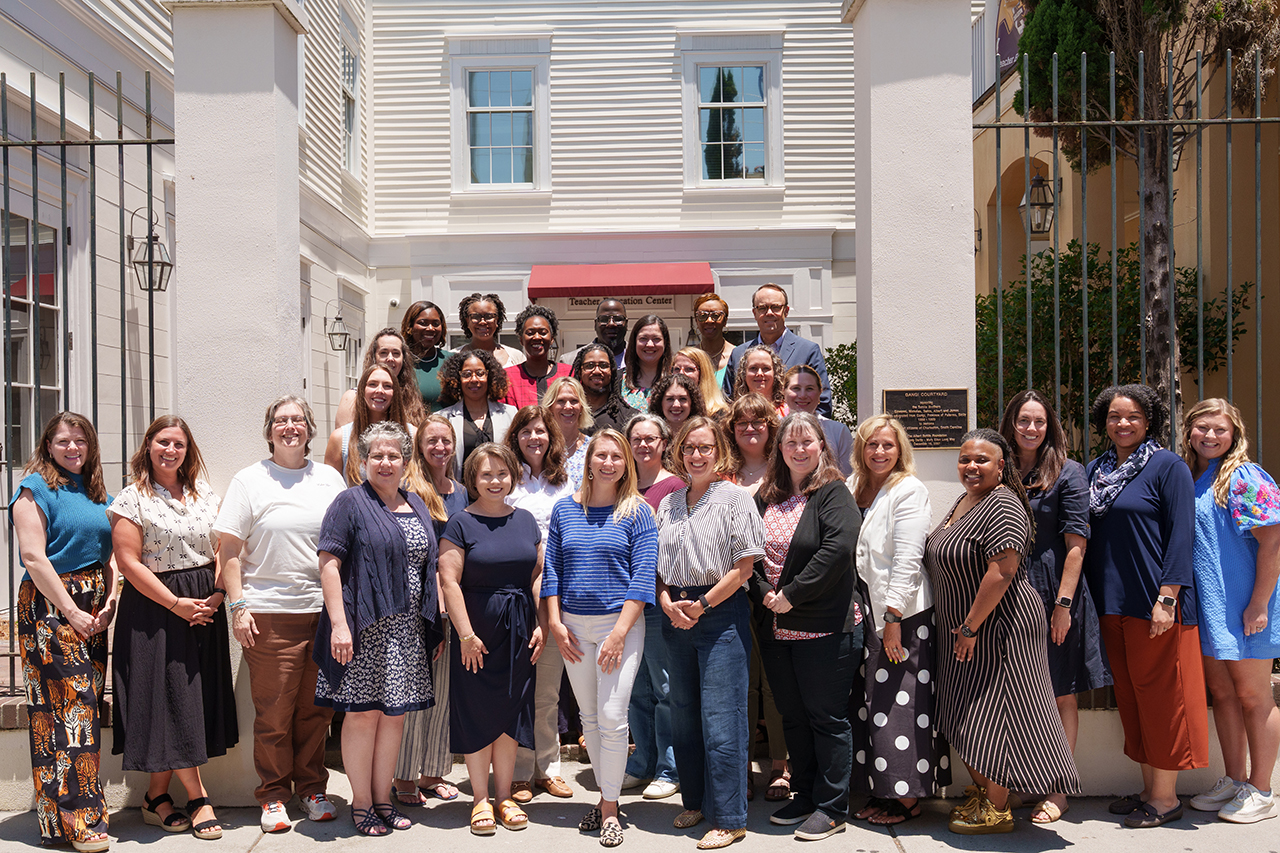
Above: The first cohort of the College’s Ed.D. in Learning and Inquiry in Practice program (Photos by Catie Cleveland)
Learning isn’t just fostered in the classroom. Education is impacted across sectors, from government to business to nonprofits. Matching the need for more educators is the need for more leaders, advocates and innovators to navigate these intersecting systems and pave a path toward student success. This is why the College of Charleston’s School of Education created the Ed.D. in Learning and Inquiry in Practice program.
“Our Doctor of Education program prepares our students to solve complex problems in their current workspace, through applied and practical methods of inquiry,” explains Keonya Booker, professor of educational psychology and director of the Ed.D. program. “Our students learn that nurturing one’s intellectual curiosity can help engender solutions to longstanding issues that affect P-12 and postsecondary education.”
The three-year program is designed for working professionals, empowering them to take a leap forward in their careers in a timely, affordable, online format. In June, the program welcomed 38 new students and 36 returning.
The College Today caught up with five members of the Ed.D. program’s first cohort – now in their second year – to find out how the program is shaping them as learners, leaders and luminaries in education. Here’s what they had to say.
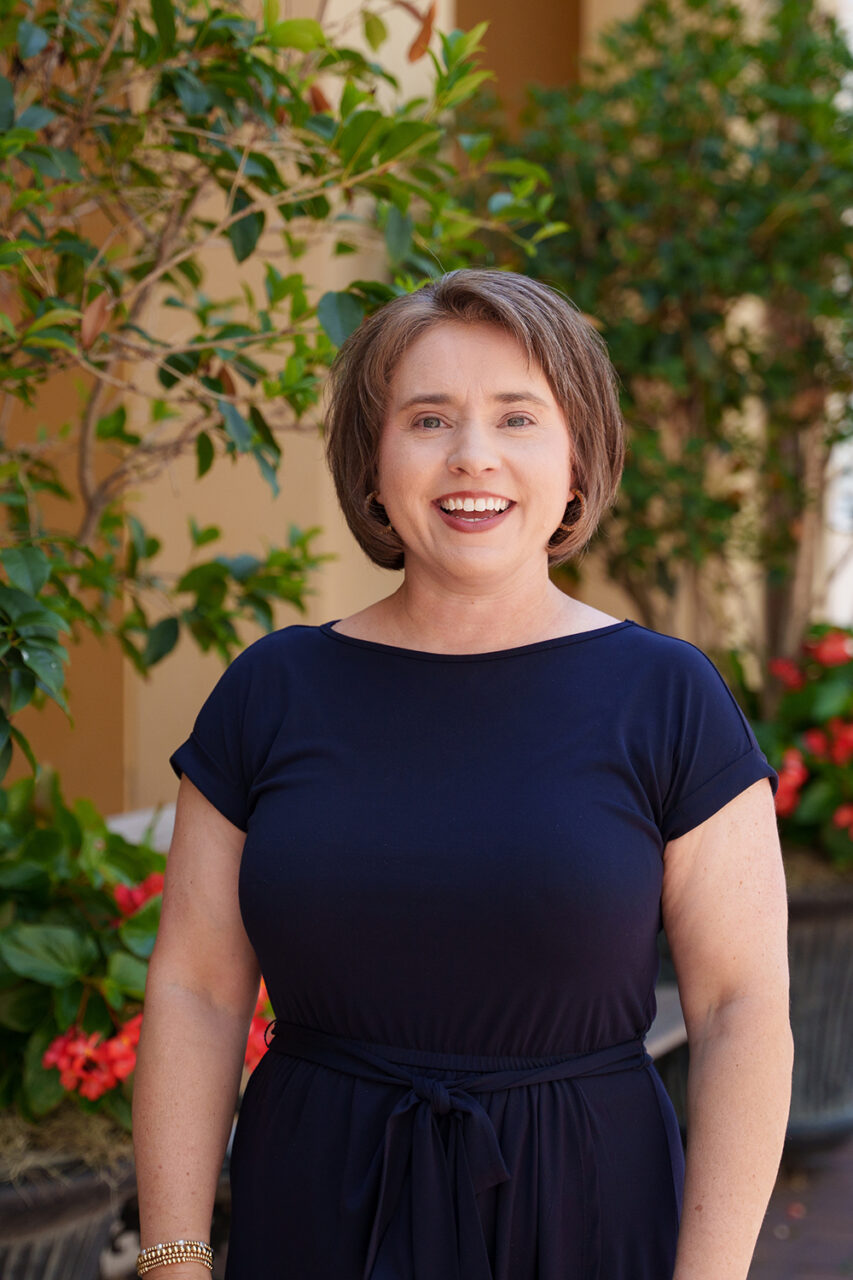
Catherine Childers
Lead Speech Language Pathologist and Preschool Coordinator, Union County Schools
For years, Catherine Childers had contemplated pursuing a terminal degree, but she always found a reason to wait. When she was introduced to the College’s Ed.D. program, she found a reason to go for it instead. “I decided quickly that I would apply because I loved the program’s focus,” she recalls.
While also continuing her career as a speech language pathologist, Childers intends to use this doctorate to bolster her influence in the classroom and community. “I want to expand my ability to support our district’s preschool program and increase our collaboration with the community to support students,” she says. “I plan to focus on which strategies increase family engagement and understanding of the preschool special education process and program.”
The Ed.D. faculty have been a particular highlight for Childers. “Dr. Booker is a gem! She answered 9 million questions in those months before Summer 1. She is patient, joyful and willing to share her knowledge.”
Childers adds, “The education professors are an asset to this program and provide foundational knowledge in a way that can be transferred into the job setting right now.”

Christopher Green ’14 (M.Ed. ’21)
Fifth Grade Teacher, Mamie P. Whitesides Elementary School, CCSD
Christopher Green ’14 (M.Ed. ’21) wants to stay immersed in the classroom while also pushing the limits of those four walls. “I saw the Ed.D. as a way to contribute to my community at a deeper level than I could reach from inside a single classroom,” he says.
“Much of what shapes a student’s experience in school – from curriculum design to district-level policy – is guided by people who work outside the classroom,” he explains. “I want to become one of the professionals in that room who can translate what actually happens with students’ day-to-day into decisions that support their confidence and their sense of what they are capable of.”
Green’s research centers on math confidence among elementary students.
“I want to study whether project-based learning can improve students’ perceived math confidence as one way to ease anxiety and give students a different narrative to carry about themselves as math learner,” he says.
As he engages in this research, Green appreciates the guidance from instructors.
“The professors are mentors who pay attention to the details,” he says. “When I have hit a wall, they take time to help me work through it rather than simply pointing me back at a rubric.”
Working alongside other professionals has also been a crucial support system for Green.
“Everyone around me is genuinely invested in their own work, and that commitment and passion have been motivating,” says Green. “On the days I feel pulled in a million directions at once, watching others push through and stay committed to this endeavor is what keeps me going.”
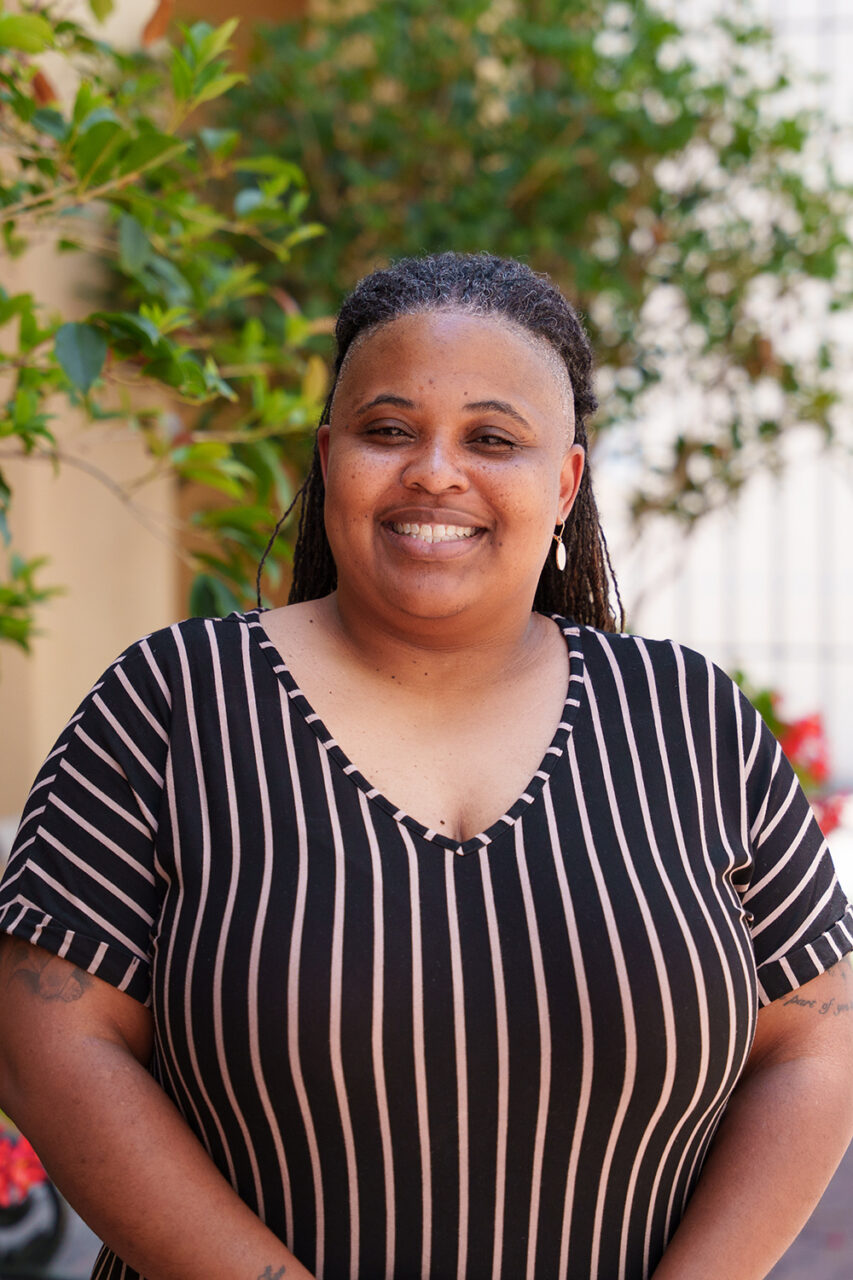
Erica Harrison-Jones ’04 (M.P.A.)
Director of Scholarships, College of Charleston
Erica Harrison-Jones ’04 (M.P.A.) is also a College of Charleston graduate, and a first-generation college student. She has been working in the College’s financial aid office for the past 14 years, leading to her current role as director of scholarships. Her doctoral research will take this experience to new depths while advancing her toward her professional goal of working in higher education administration.
“My study seeks to understand SC LIFE Scholarship Retention, the predictors of scholarship loss and the impact on student persistence and graduation,” Harrison-Jones describes. “Delving deep into state scholarship retention has been a goal of mine, and this applied dissertation provides an opportunity for me to pursue that passion.”
She has found tailored support for her research aspirations from the Ed.D. faculty.
“I am happy to report that I have the Dream Team for a dissertation committee!” Harrison-Jones says. “My committee chair Dr. Zach Taylor’s research interest is in financial aid, so that was a huge win for me!”
Returning as a College of Charleston student for her doctorate is especially meaningful.
“This program offered me the opportunity to earn a degree from an institution that is near and dear to my heart, and it gives me an opportunity to show my daughters that they can achieve anything if they want it bad enough,” she explains, adding that one of her daughters is currently a student at the College.
While the doctoral journey is certainly challenging, Harrison-Jones shares two phrases that guide her:
- I can do hard things, which serves “as a reminder that I was selected to be here and that I can handle anything that life throws my way.”
- I do it anyway, “because even when I don’t feel like it, I am reminded that my greatest skill is not necessarily on my resume but in how I show up every single day.”
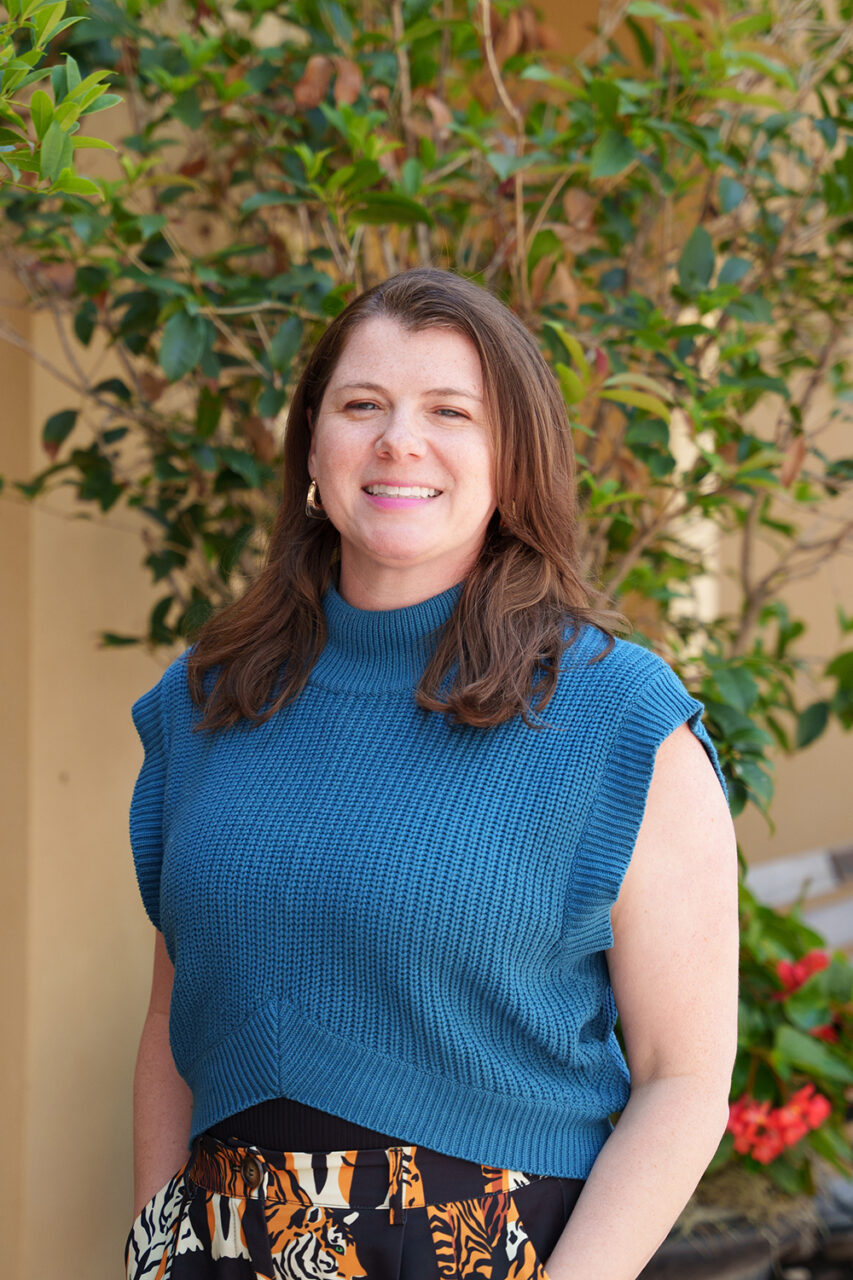
Katherine Lelek ’07
Director of Career Management; Medill School of Journalism, Media & Integrated Marketing Communications; Northwestern University
Katherine Lelek ’07 aspires to be a changemaker. Working in higher education has sparked her curiosity about how strategy, leadership and design can intersect to support students, especially as they prepare to enter the professional world.
“Ultimately, I hope the doctorate will help me expand my impact and allow me to contribute more broadly to how institutions design and deliver career development,” Lelek explains. “This feels especially important at a time when the world of work is changing rapidly and expectations for career outcomes in higher education continue to rise.”
This isn’t Lelek’s first rodeo at the College.
“I attended the College of Charleston for undergrad, so I really love being able to return as a doctoral student,” she says. “The College played an important role in shaping an earlier chapter of my life, and it is exciting to experience it again in a completely new way.”
While most of the program is online, Lelek especially appreciates the four days of on-campus residency that begin each academic year. “I enjoy walking the familiar streets, spending time on campus and seeing how the College has evolved over the years while still appreciating the beauty and character that make it such a special place.”
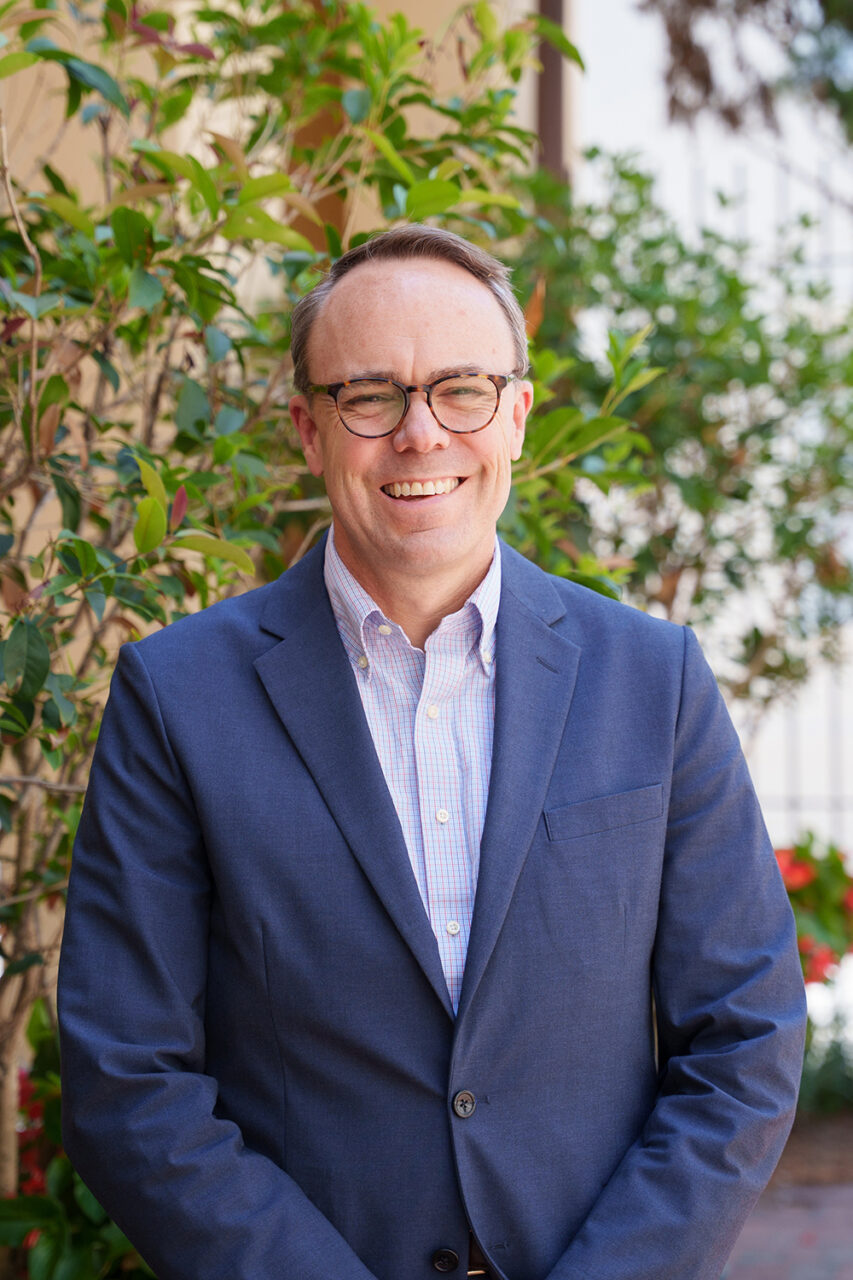
Patrick Martin
English Teacher and Teacher Cadets Instructor, Charleston County School of the Arts
The Ed.D. program has been the perfect launch pad toward Patrick Martin’s goal of strengthening teacher leadership and retention. His path toward a doctorate began with being a member of the College of Charleston’s Teacher Leader program led by Kevin Eakes, associate dean in the Office of Student Services and Credentialing.
“Dr. Eakes’ mentorship inspired me to keep learning,” Martin reflects. “After more than two decades of teaching, I wasn’t looking for a way out of the classroom; I wanted to become a stronger teacher, researcher and advocate.”
Rather than pulling him away from the classroom, the program directly connects to Martin’s everyday work. “I’ve appreciated how practical the program is. The coursework often complements my career by allowing me to research and solve authentic challenges I’m already facing as an educator.”
Martin’s research centers on teacher leadership and shared governance. “I’m interested in exploring how empowering classroom teachers with authentic leadership opportunities can improve teacher efficacy, strengthen retention and ultimately create better outcomes for students.”
Along with the practicality and intentionality of the program, Martin values the connections he has formed in the cohort.
“Learning alongside passionate educators from different backgrounds has challenged my thinking and broadened my perspective,” he shares. “Dr. Keonya Booker, in particular, has made the program feel incredibly personal. She sees us as whole people, not just students.”
The School of Education is eager to discover what doors the Ed.D. program will open for current and future educators.
“I look forward to seeing how our graduates will use the skills and aptitudes they develop in this program to enact meaningful change across our region and beyond,” says Booker.
“If you’re a practicing educator who’s been thinking about taking the next step, I’d encourage you to do it,” advises Martin. “You’ll quickly realize you’re surrounded by people who understand the realities of education because they’re living them too. The work is challenging, but it’s meaningful, and you’ll leave each course with ideas you can put into practice immediately.”