College of Charleston Students Uncovering Layers of Urban History
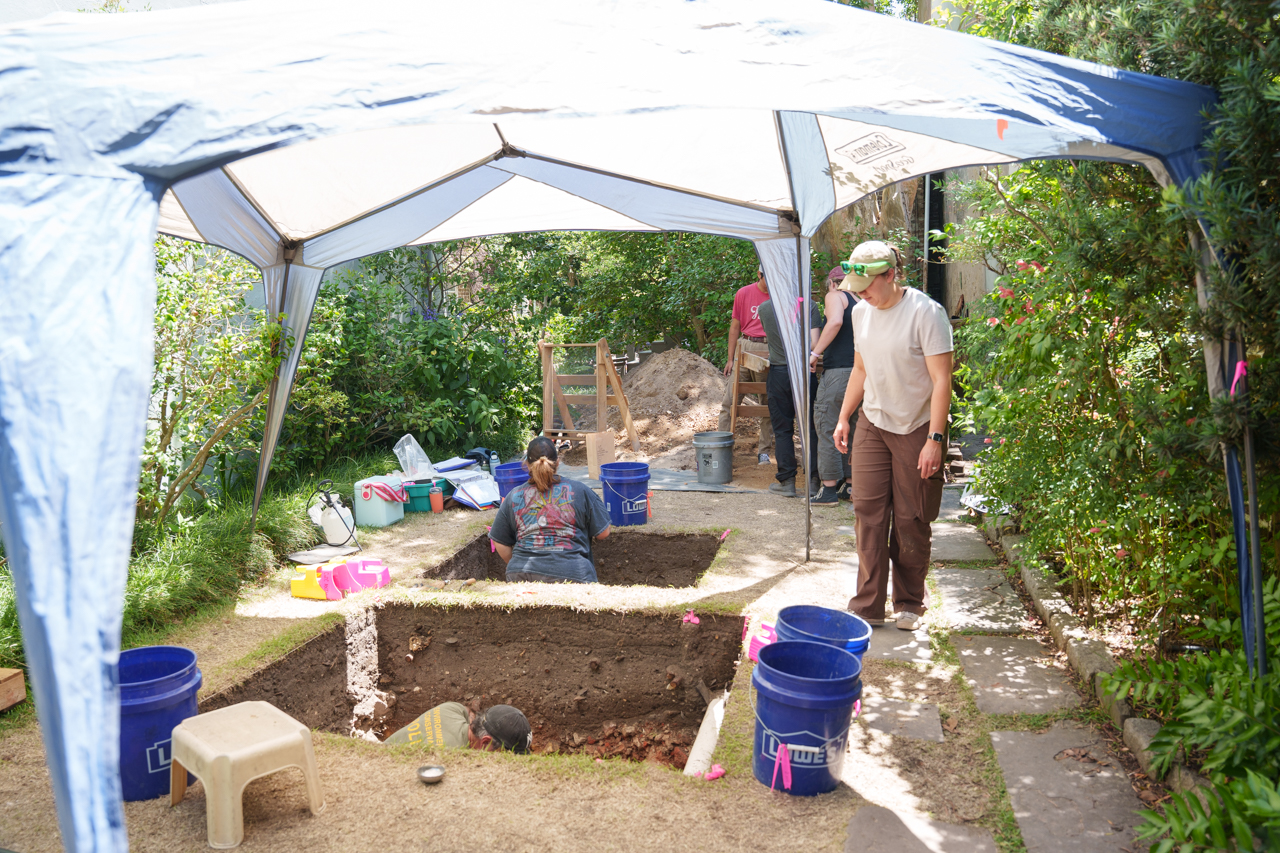
College of Charleston students are gaining hands-on archaeology experience through a summer excavation project at a historic property on the Charleston peninsula.
Photos by Catie Cleveland
College of Charleston students are participating in an informative archaeology project on private property on the Charleston peninsula, thanks to the support of a local homeowner.
The summer project provides students with the opportunity to engage in field work with Sarah Platt, assistant professor of anthropology.
“Charleston is one of the archaeological treasures of the Eastern Seaboard,” says Platt, noting that the land within the original walled city provides unprecedented insight into the lived world of Charleston’s earliest urban dwellers. The field study may uncover artifacts dating back to the early 1700s.
Martha Wallace, the daughter of homeowner Philip Middleton and an archaeologist herself, is collaborating with Platt and the College of Charleston archaeology field school to continue excavations at 86 and 86 1/2 Church Street, her father’s property.
“My father was kind enough to allow this project, which is a unique opportunity for students to learn archaeology excavation techniques in an urban setting,” Wallace says.
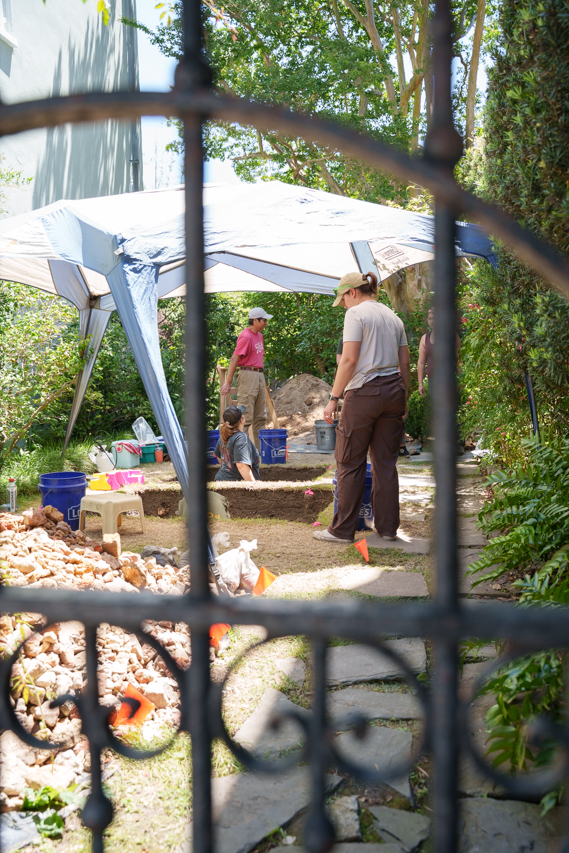


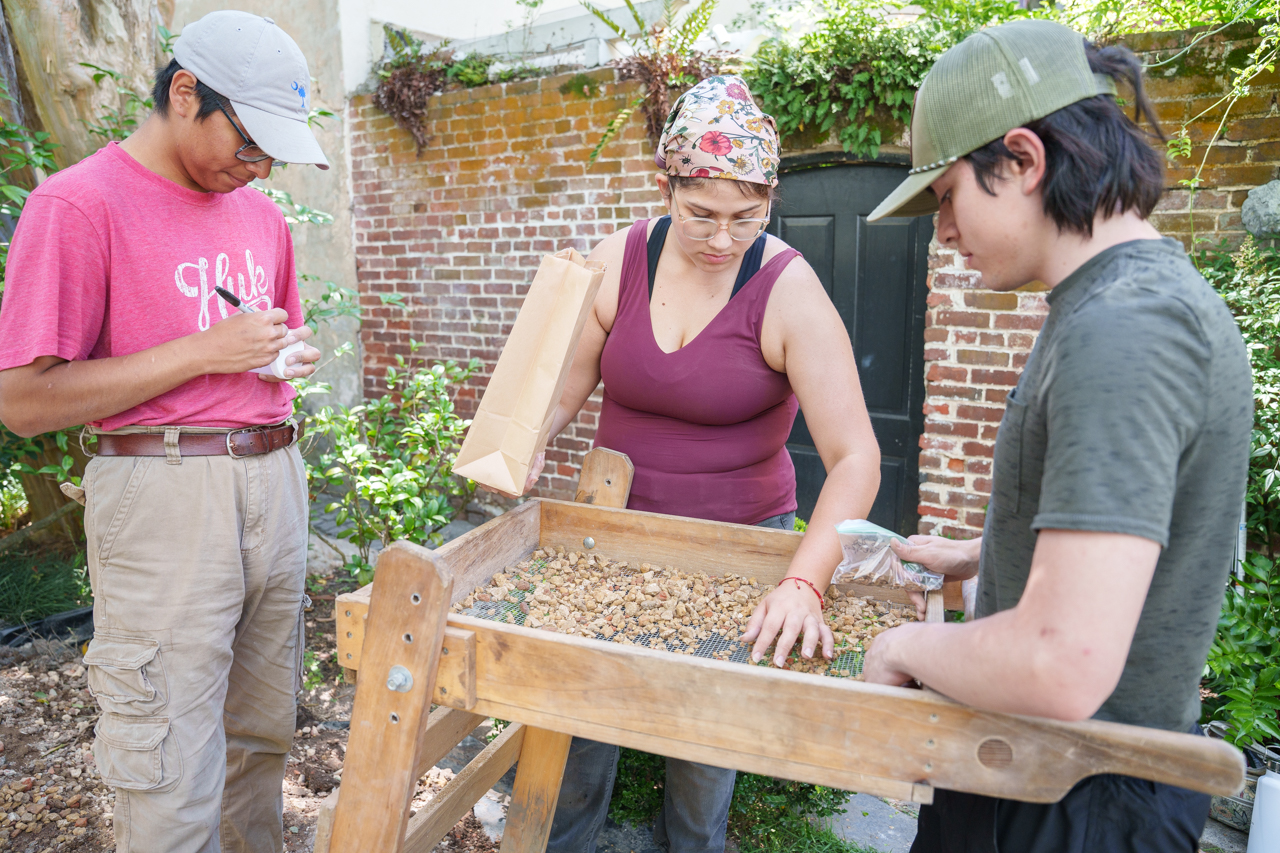


The dig will add to information from previous excavations dating back to 2009. Wallace’s excavation in 2009 unearthed layers of soil four feet below the surface, netting artifacts from the 1680s to the 20th century. After further interpretation of the data, the College of Charleston field school was engaged.
“This is the perfect laboratory to learn the tools and methods of archaeology,” says Platt. “You are literally peeling back the layers of sediment to reveal histories no longer visible on the current landscape.”
Wallace agrees: “This project has great historical value. Little is known about the early years of Charleston’s walled city history.”
Field courses provide experiential, place-based learning as a valuable complement to classwork. Private property owners in this neighborhood are allies, allowing access to this rarely available data.